Sports and leisure
The world of sports and leisure offers incredible opportunities for physical fitness, mental well-being, and unforgettable experiences in nature. Yet many people hesitate to start new activities, held back by concerns about cost, safety risks, or the steep learning curve involved. The good news? With the right knowledge and preparation, these barriers become manageable stepping stones rather than insurmountable walls.
Whether you’re drawn to the rhythmic motion of paddling across calm waters, the exhilaration of skiing down mountain slopes, or the quiet solitude of backcountry trails, understanding the fundamentals makes all the difference. This resource breaks down the essential knowledge across multiple outdoor disciplines—from budget-friendly gear strategies and physiological challenges at altitude to navigation skills and injury prevention. Think of it as your foundation for making informed decisions that keep you safe, comfortable, and progressing toward your outdoor goals.
Getting Started: Making Sports Accessible on Any Budget
One of the most common misconceptions about outdoor sports is that you need to invest thousands in equipment before your first outing. This belief stops countless people from ever trying activities they’d genuinely love. The reality is far more accessible than many realize.
The rent-versus-buy decision deserves careful consideration, especially for beginners. Renting gear for your first several outings offers multiple advantages: you can test different equipment styles to discover your preferences, avoid storage challenges, and ensure the activity truly resonates with you before committing financially. Many rental shops also provide included instruction or safety briefings, adding educational value beyond just equipment access.
When you do decide to purchase, the used gear market represents tremendous value. Equipment that’s one or two seasons old typically functions just as well as brand-new items but costs a fraction of the price. Key considerations when buying used include:
- Inspecting safety-critical components like bindings, straps, and structural integrity
- Verifying that sizing matches your body dimensions properly
- Researching the typical lifespan of that specific gear type
- Asking about the item’s usage history and storage conditions
For families, strategic timing can dramatically reduce costs. Mid-week skiing, for example, often comes with significantly lower lift ticket prices compared to weekend rates, while offering the bonus of smaller crowds and shorter lift lines. Similarly, booking water sports rentals during shoulder seasons or weekday mornings frequently unlocks discounted rates.
Water Sports: From First Strokes to Confident Paddling
Water-based activities offer a unique combination of full-body workout, meditative rhythm, and intimate connection with aquatic environments. But making smart choices early on sets the stage for years of enjoyment rather than frustration or dangerous situations.
Choosing Your Craft: Kayak or Paddleboard?
Both kayaks and stand-up paddleboards (SUPs) provide accessible entry points to water sports, but they suit different preferences and conditions. Kayaks offer stability and efficiency for longer distances and choppier water, keeping you dry while seated. They excel in cooler weather and when you want to cover significant ground with less fatigue.
Paddleboards, conversely, engage your entire body—particularly your core—and provide an elevated perspective on the water. They’re ideal for calm conditions, easier to transport on car roofs, and many people find the standing position more intuitive initially. Think of the choice like selecting between cycling (kayak) and hiking (paddleboard): both get you into nature, but the physical experience differs significantly.
Essential Safety: Hypothermia and Environmental Awareness
Cold water poses serious risks that many beginners underestimate. Hypothermia can begin in water temperatures below 70°F (21°C), which encompasses most natural waters for much of the year. The danger isn’t just falling in—even splash and spray gradually lower your core temperature over extended periods.
Protective measures include wearing appropriate layers (wetsuits or drysuits in cold conditions), always using a properly fitted personal flotation device, and understanding the signs of cold stress: uncontrollable shivering, confusion, and loss of coordination. Equally important is timing: researching tide patterns, current strengths, and weather forecasts before launching prevents you from fighting against conditions beyond your skill level.
Building Core Strength for Better Performance
Your core muscles—abs, obliques, and lower back—function as the power transfer station for paddling. Every stroke originates from torso rotation, not just arm movement. Developing this strength translates directly to less fatigue, better boat control, and reduced injury risk. Simple exercises like planks, Russian twists, and bird dogs performed twice weekly create noticeable improvements within a month.
Mountain and High-Altitude Adventures: Understanding Your Body’s Limits
Elevation fundamentally changes how your body functions, creating challenges that catch even fit athletes off guard. The key to mountain activities lies in respecting these physiological realities rather than pushing through them.
How Elevation Affects Your Performance
Above approximately 6,500 feet (2,000 meters), the air contains the same percentage of oxygen as at sea level, but reduced atmospheric pressure means each breath delivers less oxygen to your bloodstream. The result? Your heart rate increases, you breathe faster, and familiar exertion levels feel significantly harder. At 10,000 feet, you’re working with roughly 30% less oxygen availability than at sea level.
This isn’t a matter of fitness—Olympic athletes experience these effects just as surely as recreational hikers. The difference lies in recognition and appropriate pacing adjustment.
The Acclimatization Process
Your body adapts to altitude through several mechanisms: producing more red blood cells, increasing breathing efficiency, and altering blood chemistry. But these changes require time—typically several days for initial adaptation, and weeks for more complete adjustment to significant elevations.
The standard approach involves:
- Spending at least one night at a moderate elevation before going higher
- Limiting elevation gain to 1,000-1,500 feet per day above 10,000 feet
- Building in rest days every few thousand feet of ascent
- Following the principle “climb high, sleep low” when possible
Some people consider medications to aid acclimatization, while others prefer natural adaptation. Neither approach eliminates the need for gradual ascent, and both have their place depending on your timeline and individual physiology.
Preventing Dehydration and Sleep Issues
Altitude accelerates fluid loss through increased respiration and more frequent urination as your body adjusts. Dehydration compounds altitude effects, worsening headaches and fatigue. A practical indicator: your urine should remain pale yellow; dark coloration signals inadequate hydration.
Sleep disturbances are nearly universal at altitude, characterized by periodic breathing patterns and frequent waking. This improves over several nights as you acclimatize, but expecting poor initial sleep helps you plan rest days accordingly rather than pushing hard when already exhausted.
Winter Sports: Balancing Cost, Safety, and Family Fun
Skiing and snowboarding create magical family memories, but the associated costs can feel prohibitive. Strategic planning makes these activities far more accessible without compromising the safety elements that matter most.
Smart Strategies for Affordable Family Skiing
Lift tickets represent one of the largest single expenses, but the pricing structure offers opportunities. Advance purchase discounts can save 20-40% compared to same-day window rates. Many resorts also offer “4-pack” or season pass options that dramatically reduce per-day costs if you’ll ski more than a handful of times.
Mid-week skiing deserves serious consideration for families with flexible schedules. Beyond cheaper tickets, you’ll find shorter lift lines, less crowded slopes for learning, and better availability for lessons—all factors that actually improve the experience, especially for children developing new skills.
For equipment, buying quality used gear for growing children makes economic and environmental sense. Kids typically outgrow boots and skis before wearing them out, creating a robust secondary market. Prioritize proper boot fit above all else—poorly fitted boots cause discomfort that ruins the day regardless of snow conditions.
Protecting Your Knees and Staying Injury-Free
Knee injuries, particularly ACL tears, represent the most common serious skiing injury. Prevention focuses on several elements: properly adjusted bindings that release appropriately for your weight and skill level, maintaining leg strength through exercises like squats and lunges, and recognizing when fatigue increases injury risk.
The final run of the day—when you’re tired but the lodge is in sight—statistically carries elevated injury risk. Building awareness of your form deterioration and taking breaks before exhaustion sets in provides better protection than any single piece of equipment.
Backcountry Exploration: Navigating Beyond Marked Trails
The transition from maintained trails to backcountry terrain opens vast new territory for exploration, but it requires a fundamental shift in self-reliance and decision-making. The wilderness doesn’t provide signs, markers, or rangers to redirect you when you’ve gone off-course.
Map Reading Skills in the Digital Age
GPS devices and smartphone apps provide remarkable convenience, but they also create dangerous dependence. Batteries die, devices break, and satellite signals disappear in canyons or heavy tree cover. Topographic map reading represents a non-negotiable skill for backcountry travel.
Understanding contour lines—those concentric curves showing elevation—allows you to visualize terrain in three dimensions from a flat map. Tight contours indicate steep slopes, while widely spaced lines show gradual grades. Practice this skill on familiar trails where you can verify your interpretation against actual terrain before venturing into unknown country. The ability to identify your location by matching visible landmarks to map features can literally save your life.
Gear Choices: Boots vs Trail Runners
Footwear selection involves trade-offs between ankle support, weight, and terrain appropriateness. Traditional hiking boots provide stability on rough terrain and better protection when carrying heavy packs. Trail running shoes offer less fatigue on well-maintained paths and faster pace potential with their lighter weight.
The choice depends on several factors:
- Pack weight: heavier loads benefit from boot support
- Terrain ruggedness: boulder fields and scree favor boots
- Your ankle strength and injury history
- Distance: lighter shoes reduce cumulative fatigue over long miles
Many experienced hikers own both and select based on the specific trip’s demands rather than declaring absolute allegiance to one style.
Managing Pack Weight for Longer Comfort
Every ounce you carry multiplies with each step over miles and hours. Base pack weight—everything except food, water, and fuel—directly impacts your energy expenditure and enjoyment. A useful target for most backpackers is keeping base weight under 20 pounds, though ultralight enthusiasts go much lower.
Weight reduction starts with your “big three”: pack, shelter, and sleeping system. Modern materials allow tents under three pounds and sleeping bags under two pounds without sacrificing comfort or safety. Beyond gear selection, ruthlessly questioning each item’s necessity eliminates redundancy. Do you truly need that second pair of pants, or can you wash and dry your single pair if needed?
The goal isn’t deprivation—it’s carrying what you’ll actually use while leaving behind “just in case” items that never emerge from your pack. Lighter loads mean covering more distance with less effort, arriving at camp with energy to enjoy the evening, and reducing joint stress that accumulates over multi-day trips.
The common thread across all these outdoor pursuits is that knowledge and preparation matter more than natural talent or expensive gear. Start with activities that match your current fitness and skill level, invest time in learning proper techniques, and gradually expand your comfort zone as experience builds. The mountains, waters, and trails will still be there tomorrow—there’s no prize for rushing beyond your capabilities. Approach sports and leisure with curiosity and respect for the environments you’re entering, and you’ll discover that the journey of continuous learning becomes just as rewarding as any destination.
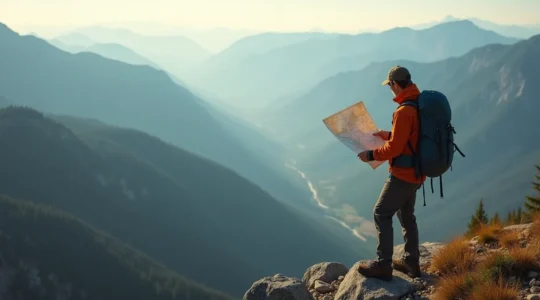
How to Safely Transition From Park Trails to Backcountry Hiking?
The transition to backcountry hiking is not about physical endurance, but about surviving the inevitable failure of your trail-based assumptions. Your phone’s GPS is not a primary navigation tool; it’s a liability. Mastering a map and compass is non-negotiable. Small…
Read more
How to Plan an Affordable Family Ski Trip in Top Resorts
In summary: Slash ticket costs by over 40% by understanding and leveraging the resort’s dynamic pricing model, purchasing online 7-14 days in advance. Ensure safety with used gear by performing a specific binding inspection for plastic fatigue and verifying indemnification…
Read more
How to Prepare Your Body for High-Altitude Activities?
In summary: Altitude-related issues stem from hypoxia (low oxygen), a physiological challenge unrelated to your fitness level. Successful acclimatization demands a structured ascent schedule to allow your body to adapt, rather than simply “going slow.” Effective hydration is about managing…
Read more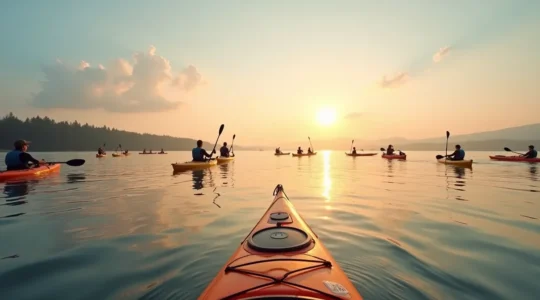
How to Get Into Nautical Sports Without Breaking the Bank?
In summary: Focus on paddling technique using your core muscles, not on buying expensive, lightweight gear. Learn how to inspect rental equipment for critical safety defects to become a confident and smart renter. Understand environmental factors like cold water and…
Read more