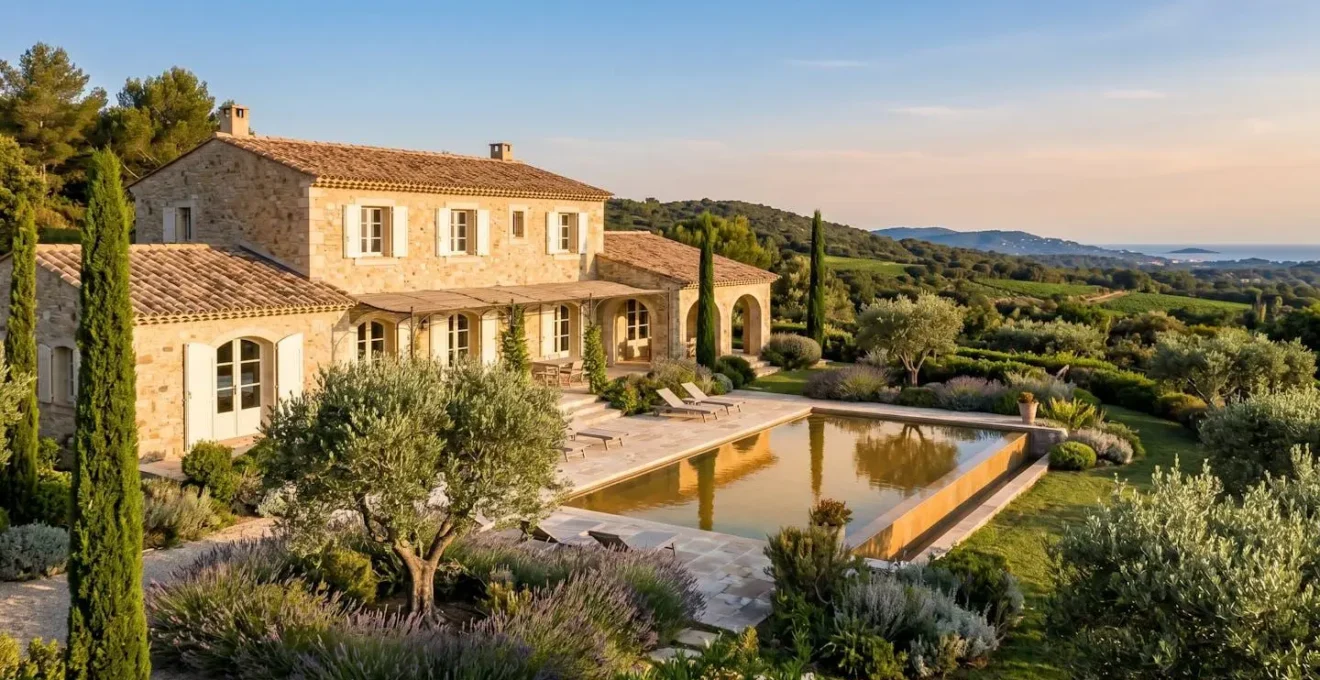
The decision-making process for Ramatuelle villa selection operates on fundamentally different variables than standard vacation rentals. Unlike hotel bookings where service standards follow predictable chains, private villas present asymmetric information challenges: property photography varies dramatically in authenticity, concierge service definitions lack industry standardization, and contract terms shift substantially based on agency positioning. For rental commitments exceeding €30,000 weekly, understanding these structural differences proves essential.
This assessment framework deconstructs villa selection into four quantifiable decision layers: geographic positioning and its measurable impact on daily logistics, property specification matching against traveler profile requirements, service infrastructure differentiation between management tiers, and contractual verification protocols that prevent post-booking disputes. Each layer carries distinct cost implications and satisfaction drivers.
Ramatuelle’s rental landscape: positioning and market dynamics
71.8%
Luxury hotel occupancy rate across the Côte d’Azur in 2025, reflecting sustained high-end accommodation demand that extends to premium villa inventory during peak season
Ramatuelle occupies a distinct position within the Saint-Tropez peninsula luxury rental ecosystem. While the town itself commands global recognition primarily through its Pampelonne beach corridor, property inventory segments into three discernible geographic zones, each carrying measurable implications for pricing, accessibility, and guest experience. According to a 71.8% occupancy rate for luxury hotels (figures consolidated from the Alpes-Maritimes Tourism Observatory), demand across the broader Côte d’Azur remains structurally robust, with the French Riviera welcoming over twelve million visitors in 2025 and international guests now exceeding half of total arrivals. This performance aligns with broader occupancy data measured by the Côte d’Azur Tourism Observatory, which recorded an average 64% hotel occupancy across the destination, with international visitors representing 52% of total attendance and an average stay duration of 6.2 nights — dynamics directly mirrored in the villa rental segment where extended stays dominate peak season bookings.
The villa rental segment mirrors this intensity. Established agencies specializing in villa rental in Ramatuelle curate properties based on multi-year relationships with estate owners, applying vetting standards that extend beyond superficial photography to structural condition, service infrastructure, and contractual transparency. This approach contrasts sharply with aggregator platforms where listing authenticity varies and post-booking disputes frequently emerge around undisclosed limitations.
Rental market analysis reveals that Ramatuelle villas command weekly rates estimated between approximately €35,000 and €65,000 during the July 15 to August 25 peak window according to local agency data, with beachfront Pampelonne corridor properties typically positioned at the upper quartile. Properties situated in hillside zones or within walking proximity to Ramatuelle village center occupy mid-tier pricing, balancing panoramic privacy against logistical convenience.
| Zone | Beach Access | Privacy Level | Price Premium | Amenity Density | Family Score |
|---|---|---|---|---|---|
| Pampelonne Beach Corridor | 3–8 min walk | Moderate (3/5) | +25–35% | High (beach clubs, water sports) | 4.5/5 |
| Hillside Estates | 8–15 min drive | High (4.5/5) | Baseline | Low (secluded, vehicle-dependent) | 3/5 |
| Village Proximity | 10–12 min drive | Moderate-High (4/5) | +10–15% | Moderate (restaurants, local markets) | 3.5/5 |
| Price premiums: estimated ranges based on 2024-2025 seasonal analysis, subject to property-specific variables. | |||||
Matching property specifications to your travel profile
Similar to evaluating criteria for a luxury resort, selecting the optimal villa requires matching objective specifications to your specific travel profile rather than defaulting to generic “best beachfront” assumptions. Property valuation experts generally recommend segmenting decision criteria by guest composition, as priorities diverge substantially between family groups, couples seeking seclusion, and larger entertainment-focused gatherings.
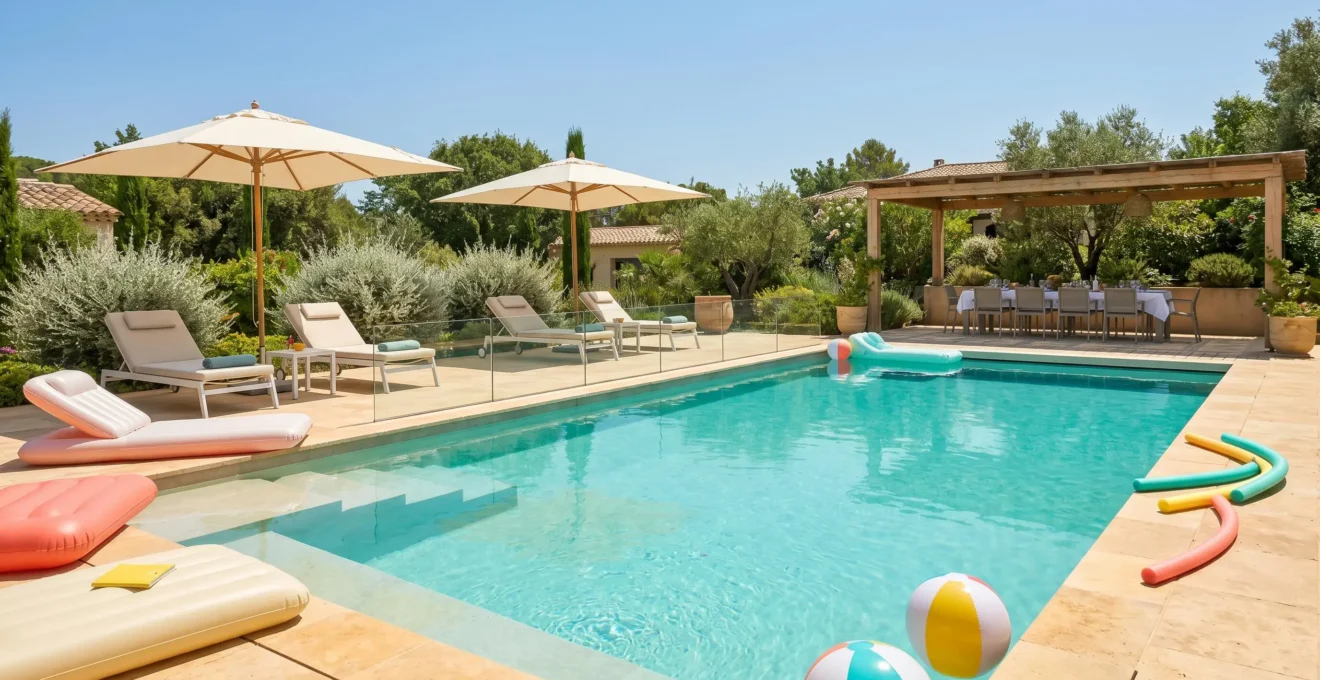
Family-focused properties: space, safety, and proximity
For families traveling with children under twelve, beach logistics consistently emerge as the primary satisfaction driver in post-stay assessments. Consider a typical scenario: a family of six with children aged four to ten prioritizes Pampelonne beach access. Initial assumptions favor hillside estates for space and views, yet daily reality involves coordinating beach departures with gear, sun protection schedules, and inevitable mid-day returns. Properties requiring eight to fifteen-minute drives multiply friction points that compound over a week-long stay.
Industry standards consistently point to these specifications as non-negotiable for family configurations: minimum four bedrooms with ensuite bathrooms (preventing morning congestion), pool safety infrastructure including compliant barriers or shallow graduated entry zones, and outdoor dining capacity for eight to ten guests. Ground-floor bedroom access proves critical for families with toddlers or elderly relatives. Experienced Ramatuelle renters typically prioritize properties where beach walking distance falls below ten minutes, even when this constraint elevates weekly rates by twenty to thirty percent.
Couples seeking privacy: intimacy and exclusive amenities
Couples prioritizing seclusion operate under inverse location economics. Hillside estates deliver superior privacy with land plots typically spanning two thousand to five thousand square meters and architectural orientation maximizing sea views while minimizing neighboring sightlines. The most frequently cited differentiator remains auditory isolation — the capacity to dine on a terrace or use a pool without ambient noise from adjacent estates.
Property specifications for this profile shift toward wellness infrastructure: heated pools enabling shoulder-season use, dedicated spa facilities (hammam, massage room), and outdoor spaces configured for intimate dining. Service integration becomes paramount — discreet staff access, provisioning protocols minimizing intrusion, and concierge responsiveness for restaurant reservations at exclusive venues where walk-in availability proves non-existent during peak season.
Group gatherings: entertainment infrastructure and capacity
Groups exceeding ten guests require fundamentally different property architecture. Imagine a reunion scenario: twelve adults gathering for a milestone celebration expect both communal spaces and private retreat zones. Properties designed for couples or small families lack the spatial segmentation this profile demands — insufficient bedroom distribution creates bottlenecks, single living areas force constant group interaction, and kitchens sized for family meal preparation cannot accommodate catered events or private chef operations.
Optimal group properties feature entertainment infrastructure extending beyond standard amenities: professional-grade outdoor audio systems, multiple dining zones (formal indoor, casual outdoor, poolside), game facilities (pétanque courts, table tennis, home cinema), and vehicle access for four or more cars. Bedroom wings ideally separate into distinct zones, allowing subgroups (couples with young children, singles, older guests) to maintain independent schedules without coordination overhead.
Service differentiation: concierge, staffing, and operational standards
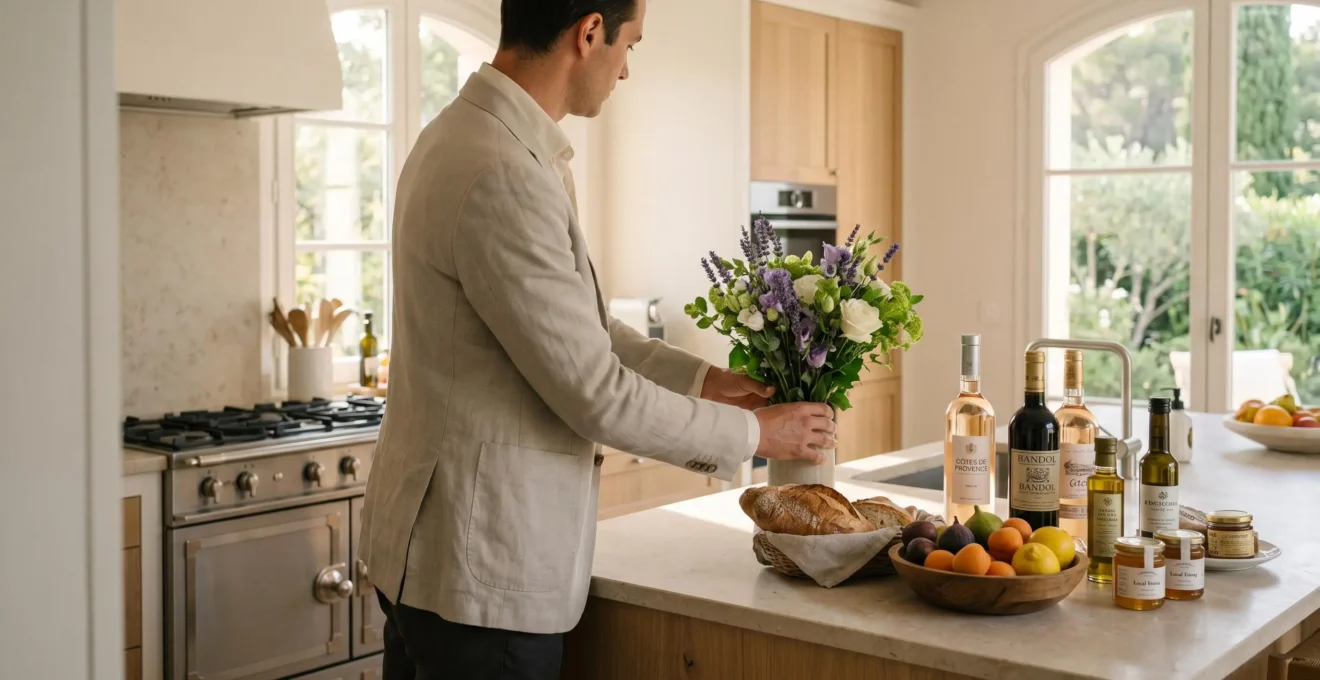
The term “concierge services” suffers from definitional ambiguity across the Ramatuelle rental market. Properties advertised with this language range from basic property management (key handover, emergency contact availability) to hotel-standard hospitality teams providing dedicated, proactive coordination. Understanding where a specific villa sits within this spectrum requires interrogating operational details that promotional materials frequently obscure.
Agencies operating with established local networks — those maintaining relationships with private chefs, yacht charter operators, and restaurant maîtres over decades rather than sourcing ad-hoc through generic directories — deliver measurably different service outcomes. The most frequently cited differentiator remains response architecture: whether guest requests connect directly to a named team member accountable for your stay, or route through centralized systems with rotating staff.
| Service Element | Basic Management | Standard Concierge | Premium Hospitality |
|---|---|---|---|
| Pre-arrival contact | Automated confirmation email | Single pre-arrival call | Personalized consultation, preferences documented |
| Property provisioning | None (self-catering) | Standard welcome basket | Bespoke provisioning based on dietary preferences, local market sourcing |
| Request response time | 24-48 hours | 4-12 hours business days | Under 2 hours, 7am-11pm daily |
| Staff coordination | Outsourced cleaning only | Vetted external providers (chef, driver) upon request | Integrated team with direct agency relationships, advance scheduling |
| Issue resolution | Owner contact required | On-call manager, contractor dispatch | Dedicated contact with decision authority, immediate alternatives provided |
Cost transparency separates credible operators from those masking service gaps. Premium agencies typically incorporate core concierge coordination within quoted rental rates, billing separately only for direct expenses (chef ingredients, yacht fuel, event staffing). Conversely, platforms quoting attractive headline rates frequently apply supplemental fees for every service interaction — a model that inflates total costs while creating transactional friction throughout the stay. For a week-long rental with daily chef service, activity coordination, and transportation, the cumulative supplement differential can approach twenty to thirty percent of the base rate.
Securing your booking: timing, contracts, and pre-arrival verification

Rental market analysis reveals that securing preferred Ramatuelle properties for the July 15 to August 25 peak window requires initiating bookings eight to twelve months in advance — often before the previous summer season concludes. This timeline reflects structural supply constraints: the commune’s geographic footprint limits villa inventory, and properties genuinely meeting luxury standards (architectural quality, land plot size, service infrastructure) represent a fraction of total listings.
What distinguishes this advance commitment from speculative reservation is the contractual framework. According to the official holiday rental framework set out by Service-Public.fr requires owners to provide tenants with written pre-contract documentation covering property description, furnishings, pricing breakdowns, and tourist tax calculations before any deposit changes hands. This legal baseline establishes minimum disclosure standards, yet premium agencies typically exceed these requirements through comprehensive specification sheets, recent photography, and transparent cancellation matrices.
- Confirm cancellation trigger dates and penalty structure across multiple timeframes (120+ days, 90-120 days, 60-90 days, under 60 days)
- Verify security deposit amount (typically ranging from €5,000 to €15,000 depending on property value), refund timeline, and conditions that permit deductions beyond standard wear
- Document which services are included in the quoted rate versus those billed separately (housekeeping frequency, linen changes, concierge coordination fees)
- Request property photographs dated within the past six months and compare against listing images for material discrepancies (renovations, furnishing changes, landscaping)
- Clarify damage liability caps and whether the agency offers damage waiver insurance as an alternative to traditional deposits
- Validate tourist tax (taxe de séjour) calculation method and confirm whether it is included in the total or billed separately upon arrival
- Establish guest count limits and clarify enforcement mechanisms if your party composition changes between booking and arrival
- Obtain references from guests who occupied the property during the previous peak season, focusing on service responsiveness and property condition accuracy
- Confirm payment schedule milestones (deposit percentage, interim payments, final balance due date) and accepted payment methods
- Request a virtual walkthrough or recent video tour that demonstrates current property condition, particularly for properties where you cannot conduct in-person pre-booking inspection
Direct booking through property owners — bypassing agency intermediaries to avoid commission costs — introduces verification challenges that frequently outweigh the marginal savings. Without established service infrastructure, maintenance issues discovered upon arrival lack immediate resolution paths, and contract disputes escalate into protracted negotiations during what should be leisure time. The due diligence required to independently vet properties typically exceeds the capacity of guests unfamiliar with local market dynamics.
Once your booking is secured and arrival logistics confirmed, consider how your villa choice enables authentic local experiences — exploring ways to connect with locals enriches the Ramatuelle experience beyond property amenities alone. The selection framework outlined here serves not as prescriptive formula but as structured methodology for aligning quantifiable property attributes with your specific requirements, eliminating the guesswork that transforms luxury rentals into costly mismatches.