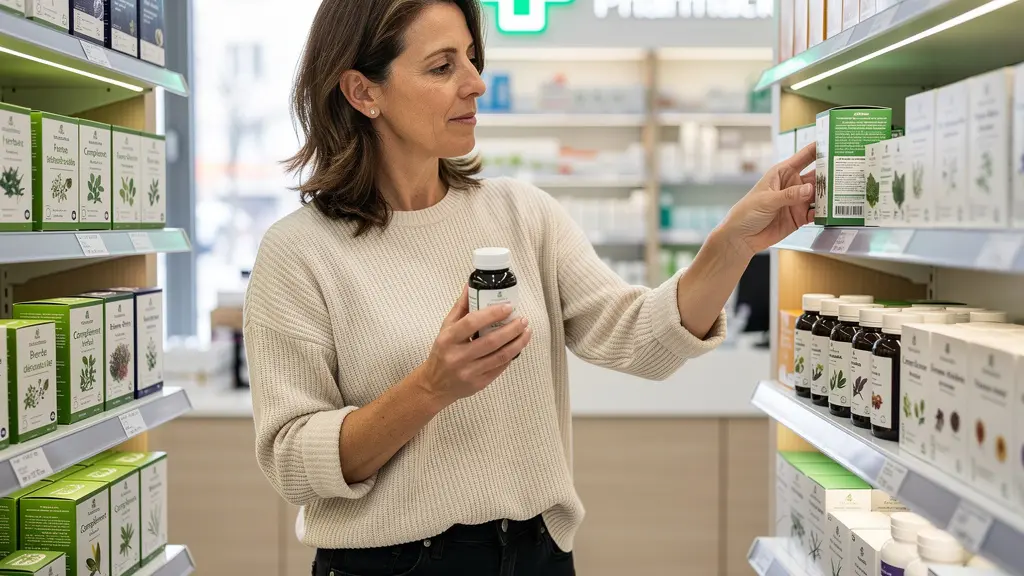
Margaret called me last month. Frustrated. She had ordered valerian supplements from three different websites over the past year. Same ingredient on the label. Wildly different results. One batch did nothing. Another made her groggy until noon. The third smelled off.
The European herbal supplements market reached USD 7.5 billion in 2023, according to the CBI. That is a lot of products changing hands. And frankly, not all of them deserve your trust.
Important information
This content is provided for informational purposes and does not constitute medical advice. Consult a qualified healthcare professional for any decisions regarding your health.
French pharmacy advantages in 30 seconds:
- ANSM regulatory oversight requires pharmacist supervision for all online sales
- 365 medicinal plants listed in French Pharmacopoeia with strict dispensing rules
- EU common logo system lets you verify any pharmacy’s legal status instantly
- Laboratory certification under Good Manufacturing Practices mandatory since 1972
The French regulatory advantage for natural health products
I hear the same question constantly: what makes French pharmacies different? Short answer: they cannot cut corners even if they wanted to.
The ANSM—France’s pharmaceutical authority—issues marketing authorizations that require full quality, safety, and efficacy assessments before any product reaches shelves. According to the ANSM marketing authorization framework, initial approval lasts five years, then becomes renewable indefinitely. This creates accountability.
But here is what most articles miss. The distinction between a regulated French pharmacy and a random online seller is not subtle. It is structural.
| Criterion | French Pharmacy | Generic Marketplace | Unverified Seller |
|---|---|---|---|
| Pharmacist oversight | Required by law | Not required | Non-existent |
| EU verification logo | Mandatory | Rarely displayed | Often faked |
| Product traceability | Batch-level tracking | Varies wildly | Unknown origin |
| Recourse if problems | National authority | Platform mediation | None |
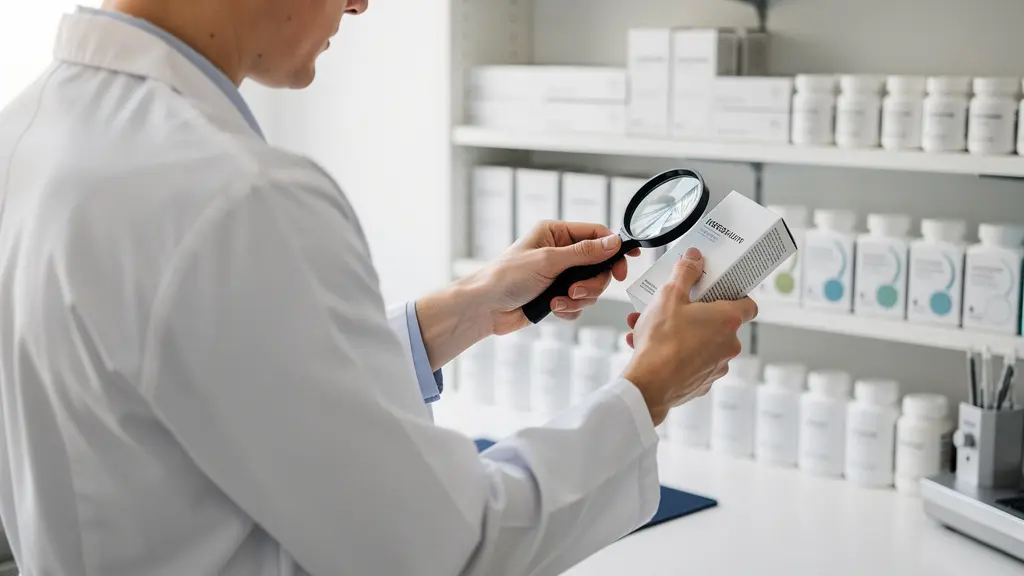
The EU Directive 2002/46/EC sets baseline requirements. Products must be labelled “food supplement.” They cannot claim to prevent, treat, or cure disease. Vitamins and minerals permitted are specifically listed. These rules apply across Europe, but enforcement varies by country.
France enforces aggressively. That is the difference.
What French laboratories do differently with herbal and natural formulations
The cases I have encountered show a clear pattern. Patients who switched to regulated sources stopped experiencing the inconsistency that plagued their previous purchases. This is not coincidence.
French pharmaceutical herbalism has teeth. A French medicinal plant regulation study published in PubMed documents that the French Pharmacopoeia lists 365 medicinal plants for traditional use. Only pharmacists and certified herbalists can legally dispense them. This matters because it creates a layer of professional accountability between the plant and your medicine cabinet.
When searching for a french online pharmacy with genuine expertise, the laboratory certifications tell you everything. Established French pharmaceutical herbalists like Iphym Pharma—ANSM certified since 1972—process over 130 tonnes of medicinal plants annually under Good Manufacturing Practices.
What French regulations do NOT guarantee:
Regulatory compliance ensures manufacturing standards and ingredient authenticity. It does not guarantee a product will work for your specific situation. Individual responses vary. A well-made supplement is not a replacement for medical guidance when you need it.
What I tell patients about natural supplement sourcing: Before purchasing any herbal product online, I recommend verifying the pharmacy displays the EU common logo. Then click it. If it does not link to a national registry confirming legal status, walk away. Ten seconds of verification saves months of frustration.
The most common mistake I see in my consultations? Patients assume “natural” means “unregulated is fine.” It does not. Natural products can contain contaminants, undisclosed fillers, or incorrect dosages just like anything else. The regulatory framework exists precisely because botanical extracts require careful handling.
Traceability and transparency: from plant to package
Margaret’s problem—the valerian that worked, then didn’t, then smelled wrong—comes down to one word: traceability. Or rather, its absence.
French pharmaceutical supply chains document everything. Origin of botanical material. Extraction methods. Batch testing results. Storage conditions. This is not paperwork for paperwork’s sake. It is how you catch problems before they reach customers.
Case study: Margaret’s supplement journey
I consulted with Margaret, 58, a retired teacher seeking quality herbal supplements for sleep support. She had purchased multiple products from various online sources with inconsistent results. Her difficulty? Verifying product authenticity and laboratory standards. After switching to a regulated French pharmacy source with transparent traceability, she finally found consistency. Same product, same effects, every time.
The EU common logo verification system, introduced by Directive 2011/62/EU, provides an elegant solution. Every legally operating online pharmacy displays this logo. Click it. You land on the national competent authority’s website listing all registered pharmacies. The European Medicines Agency coordinates these national lists.
-
Research pharmacies, compare product ranges and shipping options -
Verify pharmacy credentials via EU logo, check national registry listing -
Place first order, track delivery, inspect packaging authenticity -
Evaluate product effectiveness, establish ongoing relationship if satisfied

Five-point verification for any online pharmacy
-
Locate the EU common logo on the pharmacy website
-
Click the logo—confirm it links to a national authority registry
-
Search the registry for the pharmacy’s exact registered name
-
Check that contact details match between website and registry
-
Verify a pharmacist name is listed with professional credentials
For those exploring how healthcare is evolving more broadly, the management of chronic illnesses with telemedicine represents another area where professional oversight meets digital convenience.
Your questions about French pharmacy natural products
Over the years, certain questions come up repeatedly. Let me address them directly.
Are French supplements actually better quality, or is this marketing?
The quality difference stems from regulatory enforcement, not inherent French superiority. ANSM certification, Good Manufacturing Practices, and the pharmaceutical monopoly on medicinal plants create accountability structures. A French-made supplement from an uncertified source would be just as questionable as any other. The system matters more than the geography.
What is the difference between pharmacy and parapharmacy products?
Pharmacy products require pharmacist dispensing—this includes medicines and the 365 listed medicinal plants. Parapharmacy covers wellness items, cosmetics, and supplements that do not contain restricted ingredients. Both can be sold through French online pharmacies, but the distinction affects what professional guidance accompanies your purchase.
How can I verify a French online pharmacy is legitimate?
Look for the EU common logo and click it. Legitimate logos link directly to national registries maintained by health authorities. If the logo is just an image—no link—or leads somewhere other than a government site, consider that a warning sign. The European Commission maintains the overarching system.
Will international shipping affect product quality?
Reputable pharmacies use appropriate packaging for temperature-sensitive products. Delivery times to most European destinations run around a week. For some items like probiotics or certain essential oils, expedited shipping during summer months is worth considering. Ask before ordering if you are uncertain about specific products.
The European dietary supplements market reached USD 26.60 billion in 2024, according to European supplements market data from Fortune Business Insights. With that kind of volume moving through the market, distinguishing trustworthy sources from opportunistic ones becomes essential—not optional.
The next step for your natural health choices
If you remember one thing from this article: verify before you buy. The EU common logo exists specifically to make this easy. Use it.
For those interested in evidence-based approaches to health decisions, you may also want to explore the safety and nutrition of lab-grown meat—another area where understanding regulatory frameworks helps separate substance from noise.
Important considerations for international purchases:
- Product availability and formulations may vary by country due to local regulations
- Natural health products are supplements and should not replace medical treatment
- Individual results and tolerances may vary; consult a healthcare provider for personalised advice